Introduction
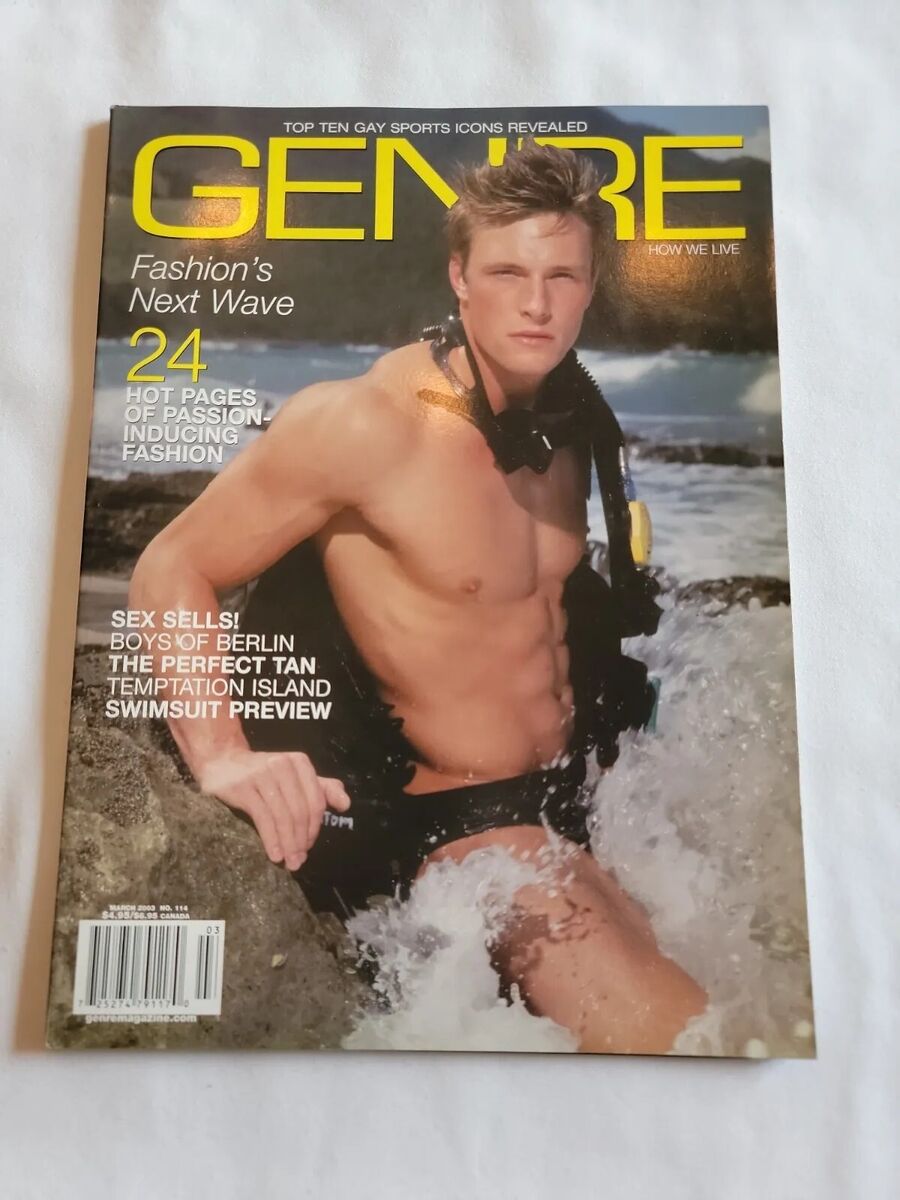
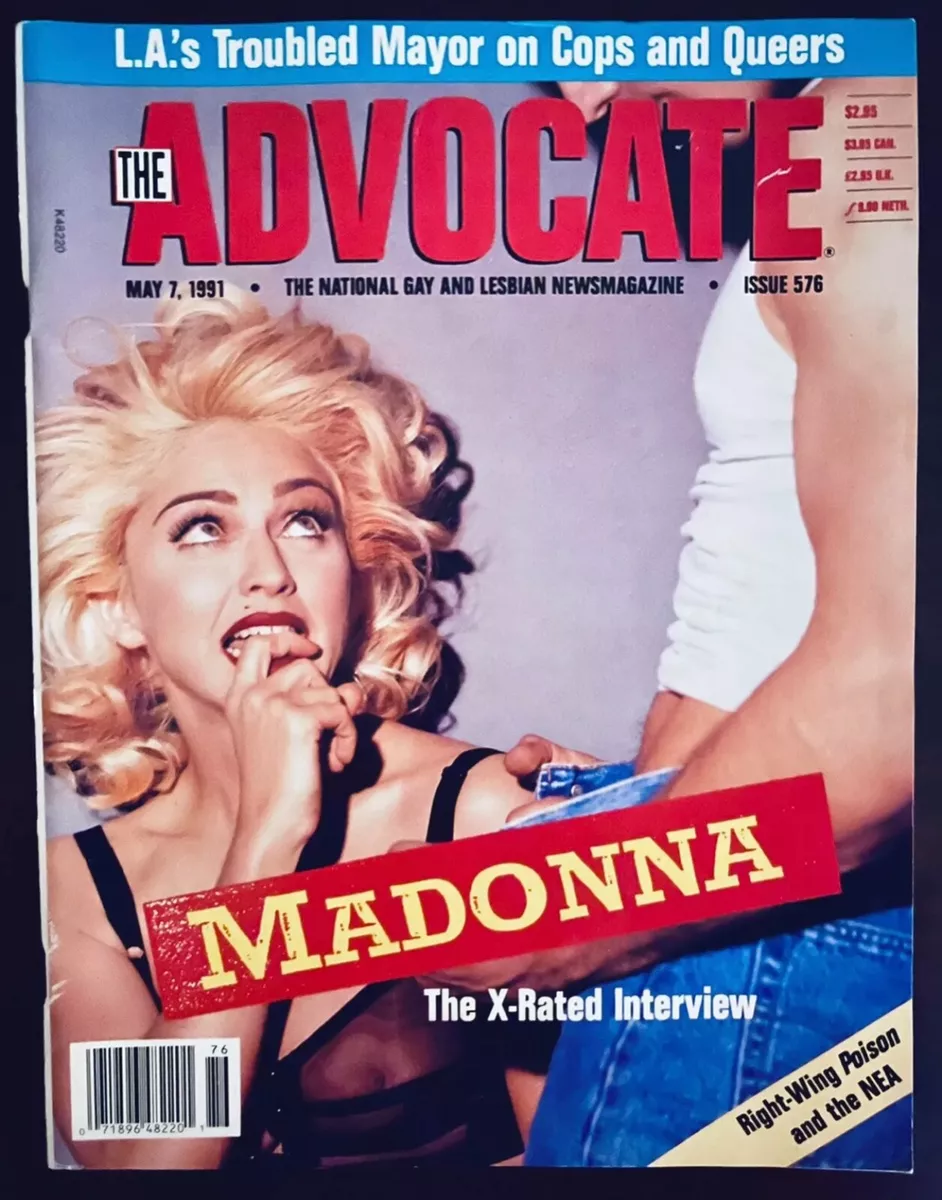
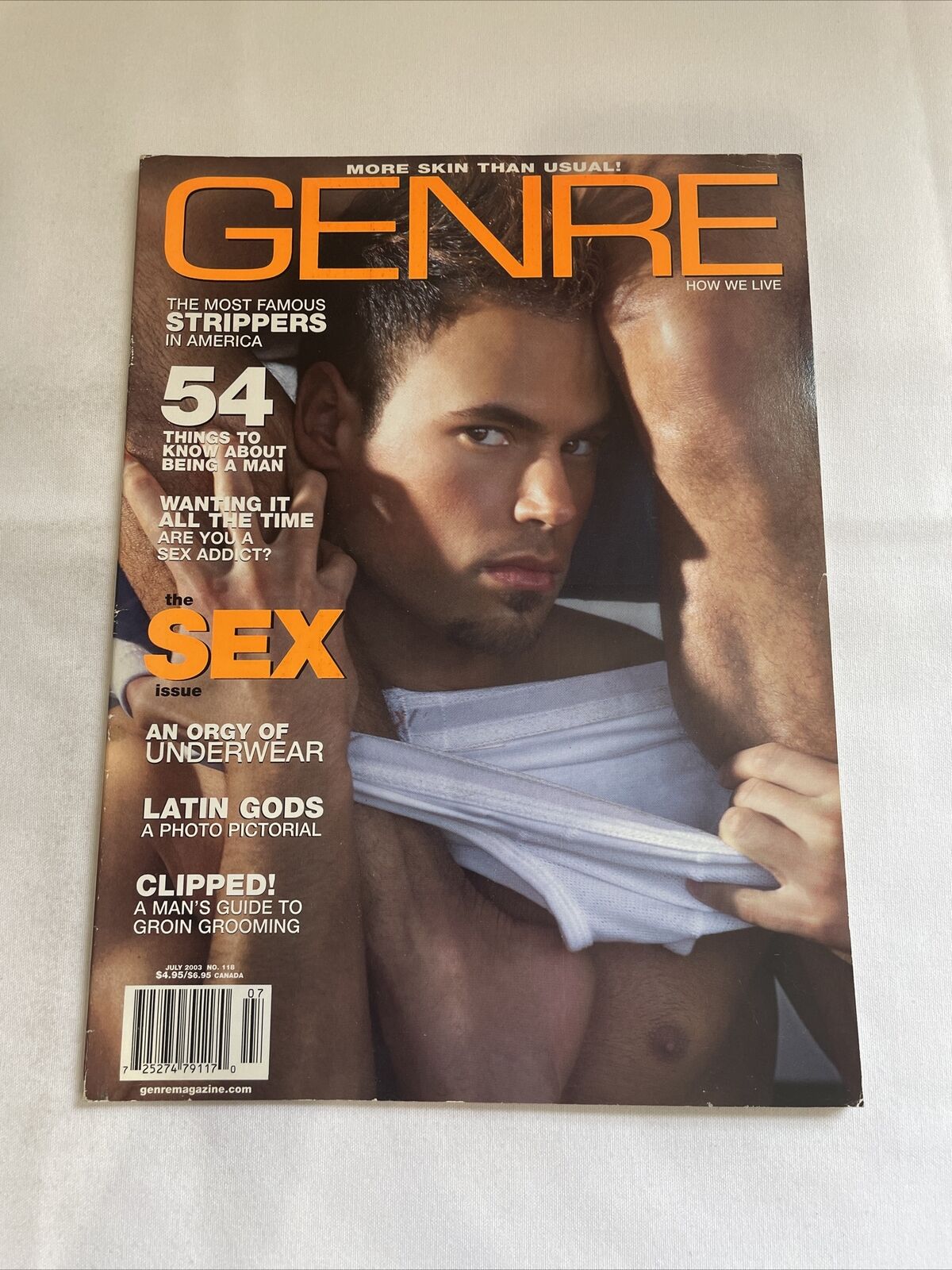
I’ve been part of the LGBTQ+ media world for a long while, shaping its look, feel, and voice. Over the years, I’ve art directed and creative directed some of its most influential publications: The Advocate, OUT, Genre, Hero, and IN magazine.
Sometimes that work meant stepping into an established publication, taking over the reins and honoring its legacy—like with The Advocate. Other times, it meant building from the ground up, designing every detail from scratch for a new “start-up” magazine.
Each title comes with its own history, its stories, its gossip—and its mythology. What follows is my side of the story.
In and Out
After a disastrous year at The Advocate, it was time to get local—WeHo local, in the form of what is commonly called a rag: IN magazine. It was published by Frontiers magazine, Southern California’s oldest and largest lesbian, gay, bisexual, and transgender (LGBT) publication. Founded in 1981, Frontiers was freely distributed at gay bars, clubs, and businesses throughout Southern California. The biweekly publication covered local, national, and international LGBT news, entertainment, HIV/AIDS topics, and other important issues. It also included its popular escort listings section, Frontiers4Men. As of February 2014, it had a staff of 19 and claimed a readership of 270,000. Those were the good old days.
IN magazine, however, was another story entirely.
Our offices were down the street from Frontiers. We had little to do with them other than the occasional visit to the publisher, Bob Craig. While he was the publisher, the actual founders and owners of IN were David Stern and Mark Hundahl.
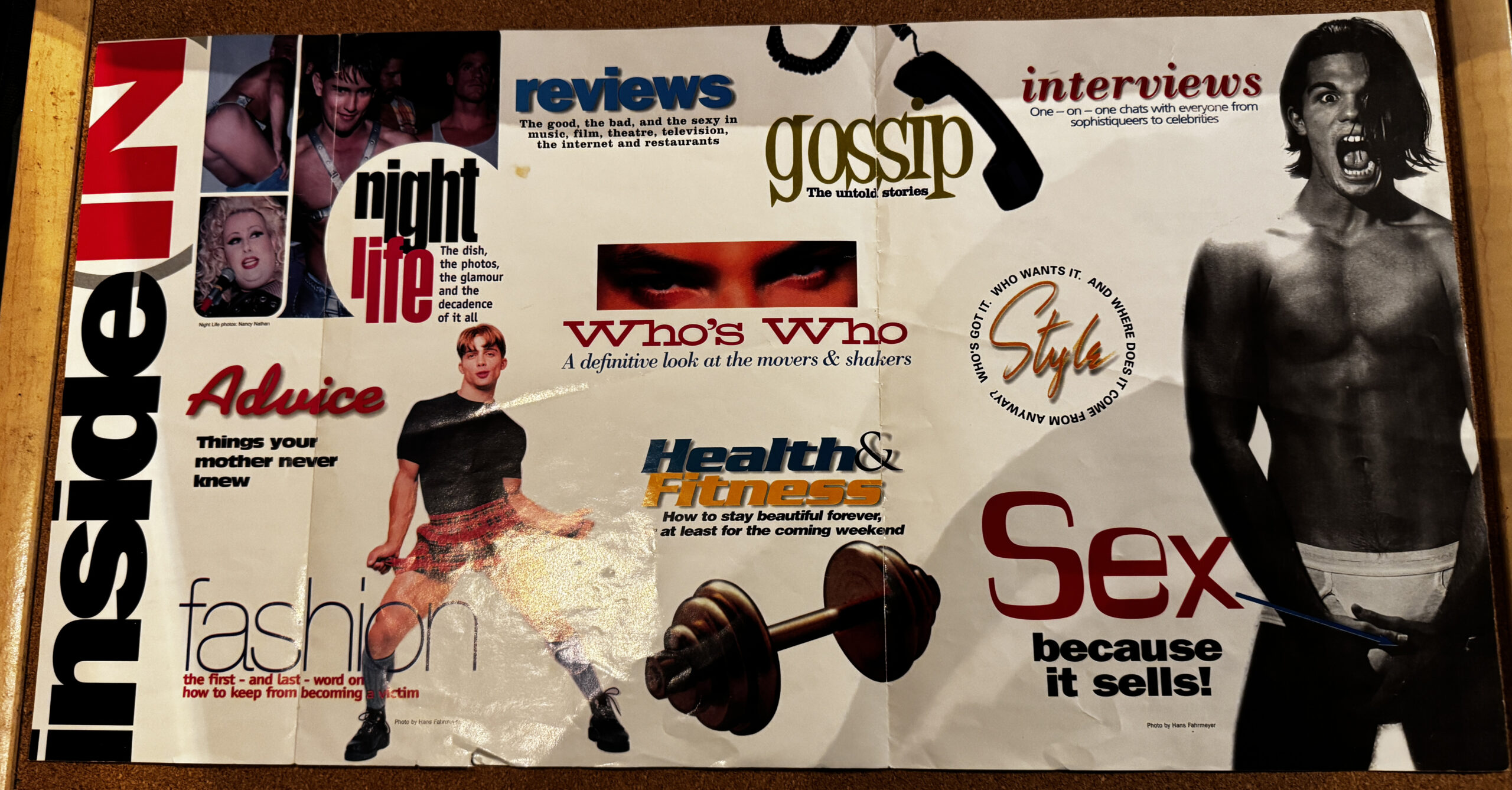
IN was what you might call a “start-up.” It didn’t exist as a magazine—only as an idea. Its creation fell to me. I didn’t trust myself to handle both editor and creative director roles, so I set out to find an editor.
JV Mauley was one of the funniest people I’ve ever met. His wit was quick and rampant—he was like a Robin Williams character: energetic, fun, and engaging. He had created a drag persona, Shelvelva Kennedy. He was funny… until he wasn’t.
There’s a mythology that grows around people and publications—and IN has its myths. For the record, this is a recollection based on facts.
IN magazine was born from revenge. David Stern had been fired from another gay publication, The Edge, and this magazine was his sweet, simple payback. Social causes may have mattered later, but at the start, we were fully intent on going up against the competition—and winning.
JV was a good editor. And an alcoholic. I had to take him across the street to the gay bar, Gold Coast, and get him plastered just to get his creative juices flowing. They did flow—sometimes like a river, sometimes like a fire hose.
At one point, the Frontiers editors took notice of our little rag. I came up with a cover story called “State of the Union,” about gay relationships. My friend John Skalicky did the portraits; I had worked with him on previous publications.
I worked very hard on this magazine, nights and weekends, often alone. So it was a complete shock when, one afternoon, I was called into Bob Craig’s office and told they could no longer employ me. I was asked to pack my things and leave. I returned to the office and there sat JV, whose only words were, “I didn’t know.”
The peculiar thing about being fired is that it messes with memory. The moment is filled with confusion and hurt—not logic or comprehension.
IN magazine was meant from the start to be different than Frontiers. While Frontiers leaned political, IN Los Angeles adopted a lifestyle-oriented approach, akin to People magazine, focusing on celebrity profiles, entertainment, and cultural features.
After my departure, the magazine hired an art director down the hall who did White Party flyers. The magazine quickly reinvented itself as a publication serving the gay party crowd.
Years later, David Stern and I exchanged emails and letters. In one conversation and in a letter, he explained: “The reason you were let go is that Bob Craig was embezzling money and they had run out of money to pay you.” Indeed, I was probably asking for more as an art director, having worked in New York City on many Condé Nast publications and other national magazines.
JV, never contacted me. The story goes that he was using Crystal Myth and would disappear for days. He too finally lost his job and moved to Iowa to work for Target stores.